Video summary
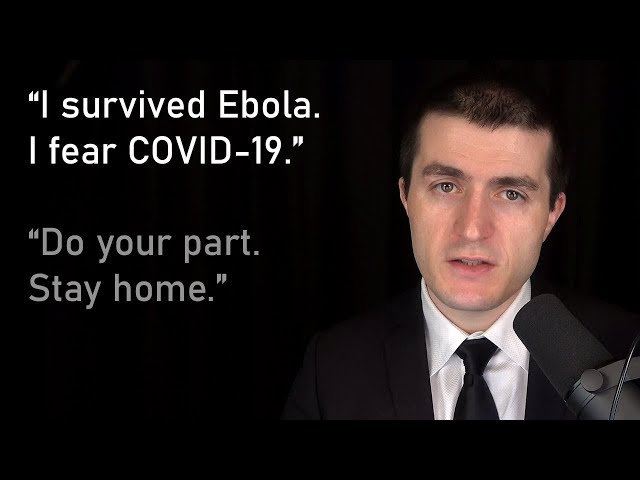
The narrative begins with a reflection on the dual importance of large-scale reliable data and human stories in understanding the COVID-19 crisis, centering on the experiences shared by emergency room doctor Craig Spencer through his series of tweets. Describing "a day in the life" at the hospital's front line around 8:19 (likely referring to a specific date or code within the transcript context), Spencer details waking up early due to closed local businesses like Starbucks, noting that even on what feels like Sunday with freezing rain and empty streets, his shift starts immediately. Upon entering the emergency room, he is struck by the stark contrast between the calm city outside and the chaotic interior filled with protective gear, coughing sounds, and a relentless stream of patients presenting with identical symptoms: shortness of breath, fever, and severe respiratory distress in both young and old individuals. As his shift progresses past 9:00 a.m., Spencer describes an overwhelming influx of critically ill patients requiring immediate intervention, including the placement of breathing tubes and life support systems for those who are vomiting or struggling to breathe despite maximum oxygen therapy. The urgency is constant; he receives "stat" notifications nearly every hour regarding new arrivals with low blood pressure, dropping oxygen levels as low as 88%, and high fevers. By midday, physical exhaustion sets in due to dehydration from not drinking water while wearing masks that protect against the virus but hinder hydration, recalling his time fighting Ebola where he spent hours in hot suits without fluids. The scarcity of resources becomes apparent when even local restaurants are closed, forcing him to rely on the hospital cafeteria for a quick meal before returning to work with renewed caution and hand-washing rituals. By late afternoon, Spencer observes that nearly every patient seen is infected with COVID-19 (referred to as "Kovat" in some parts of the transcript), leaving traditional cases like heart attacks or appendicitis seemingly absent from the ER floor. The medical team operates under strict safety protocols involving gowns, goggles, and masks at all encounters because hospitals are running out of ventilators and resources are nearing capacity. Before his shift ends around 10:00 a.m. to late afternoon hours (contextually implying an extended or grueling day), he signs off with the incoming team who have learned the specific signs of infection over recent days, emphasizing that everyone they see is likely infected by then. He meticulously sanitizes all personal items—phones, badges, wallets, and coffee mugs—with bleach to prevent bringing the virus home, highlighting the extreme measures required just to survive a single day on the front lines. Upon leaving the hospital into the rainy evening, Spencer walks through empty streets feeling safer than using public transit like buses or subways, which he avoids due to infection risks. Back at his apartment, he strips off contaminated clothing in the hallway while neighbors are aware of his profession but still maintain distance; his wife struggles to keep their toddler away despite having not seen him for days. He reflects on how difficult it is for outsiders to comprehend the severity of the situation when they only see empty streets rather than overwhelmed hospitals and sirens wailing continuously. The virus spreads rapidly, with numbers expected to skyrocket overnight as those infected a week prior now show symptoms, meaning more patients will arrive in the ER requiring ventilators that may not be available. The conclusion underscores the critical need for public cooperation through social distancing and staying home to slow the spread of the virus before medical resources are completely depleted. Spencer addresses skepticism by asserting that the crisis is real and dangerous, capable of taking down anyone regardless of prior experience with diseases like Ebola. He emphasizes that while they cannot stop the virus entirely without overwhelming healthcare systems, collective action can control its trajectory. The ultimate goals remain saving lives and gathering reliable data to safely reopen the economy later; panic is counterproductive when operating under uncertainty, so optimal actions must focus on protecting vulnerable populations and treating the sick effectively until better understanding of the disease's spread allows for a controlled recovery phase.
Read the full video transcript
I think at this point large-scale
reliable data is really important but
also important are the human stories and
something that caught my eye was the day
in life of an emergency room doctor
Craig Spencer that he revealed in a
series of tweets thank you everyone for
the incredible messages of support and
encouragement many of you asked what it
was like in the emergency room right now
I want to share a bit with you a day in
the life of an emergency room doc a
brief dispatch from the cove 819
frontline wake up at 6:30 a.m. priority
is making a big pot of coffee for the
whole day because the place by the
hospital is closed the Starbucks - it's
all closed on the walk it feels like
Sunday nobody's out might be the
freezing rain or it's early regardless
that's good walk in for the 9:00 a.m.
shift immediately struck by how the calm
of the early morning city streets is
immediately transformed the bright
fluorescent lights of the emergency room
reflect off everybody's protective
goggles there's a cacophony of coughing
you stop masks up walk in you
sign out from the previous team but
nearly every patient is the same young
and old cough shortness of breath fever
they're really worried about one patient
very short of breath on the maximum
amount of oxygen we can give but still
breathing fast you immediately assess
this patient it's clear what this is
what needs to happen you have a long and
honest discussion with the patient and
family over the phone it's best to put
her on life support now before things
get much worse you're getting set up for
that but you're notified of another
really sick patient coming in you rush
over they're also extremely sick
vomiting they need to be put on life
support as well you bring them back to
patients and rooms right next to each
other both getting a breathing tube it's
not even 10:00 a.m. yet for the rest of
your shift
nearly every hour you get paged stat
notification very sick patient short of
breath fever oxygen 88% stat
notification low blood pressure
short of breath low oxygen stat
notification low oxygen can't breathe
fever all day
sometime in the afternoon you recognize
you haven't drank any water you're
afraid to take off the mask
it's the only thing that protects you
surely you can last a little longer in
West Africa during Ebola you spent hours
in a hot suit without water one more
patient but late afternoon you need to
eat restaurant across the street is
closed right everything is closed but
thankfully the hospital cafeteria is
open you grab something
wash your hands twice cautiously take
off your mask and eat as fast as you can
go back mask up walk in nearly everyone
you see today is the same we assume
everyone is covered 19 we wear gowns
goggles and masks at every encounter all
day it's the only way to be safe where
did all the heart attacks and
appendicitis patients go it's all kovat
your shift ends you sign out to the
uncoming team it's all kovat 19 or the
past week we've all learned the signs he
goes on to list the signs one of which
is little oxygen you share concerns and
friends throughout the city without
personal protective equipment hospitals
running out of ventilators before you
leave you wipe everything down your
phone your badge your wallet your coffee
mug all of it
drown it in Bleach everything in the bag
take no chances sure you got it all wipe
it down again can't be too careful you
walk
and take off your mask if you'll make it
and exposed it's still raining but you
want to walk home feel safer than the
subway or bus bus you need to decompress
the streets are empty this feels nothing
like what is happening inside maybe
people don't know
you get home you strip in the hallway
it's okay your neighbors know what you
do everything in a bag
your wife tries to keep your toddler
away but she hasn't seen you in days so
it's really hard run to the shower
rinse it all away never happier time for
family you reflect on the fact that it's
really hard to understand how bad this
is and how bad is going to be if all you
see are empty streets hospitals and
nearing capacity we're running out of
ventilators ambulance sirens don't stop
everyone we see today was infected a
week ago or more the numbers will
undoubtedly skyrocket overnight as they
have every night the past few days more
will come to the emergency room more
will be stat notifications more will be
put on a ventilator
we were too late to stop the virus full
stop but we can slow its spread the
virus can't infect those it never meets
stay inside social distancing is the
only thing that will save us now you
might hear people say it isn't real it
is you might hear people say it isn't
bad it is you might hear people say it
can't take you down it can I survived
Ebola
I fear Kovan 19 do your part stay home
stay safe and every day I'll come to
work for you
this is a moving accounting through a
series of tweets by an emergency room
doctor on the very front lines of
fighting Cove 819 without question the
best thing we could do now is stay home
while people like Craig Spencer doctors
nurses health care workers service
workers support us and treat the people
who are sick and really importantly as
we get more and more reliable data this
isn't the time to panic this is the time
to take optimal action given that we're
operating under a huge amount of
uncertainty the two things we need to do
is the most important is to save lives
and the second is collect good reliable
data before we can reopen the economy we
have to get good data to understand the
spread of the virus in order to be able
to control it and all the while treating
people who are sick without overwhelming
the resources of our medical system stay
safe out there stay informed stay strong
we'll be this thing I love you all
you